In today’s fast-paced business environment, organizations managing multiple projects require more than traditional ERP systems. They need a solution specifically designed to handle project workflows, resource allocation, budgets, and timelines effectively.
This is where PiERP comes into play.
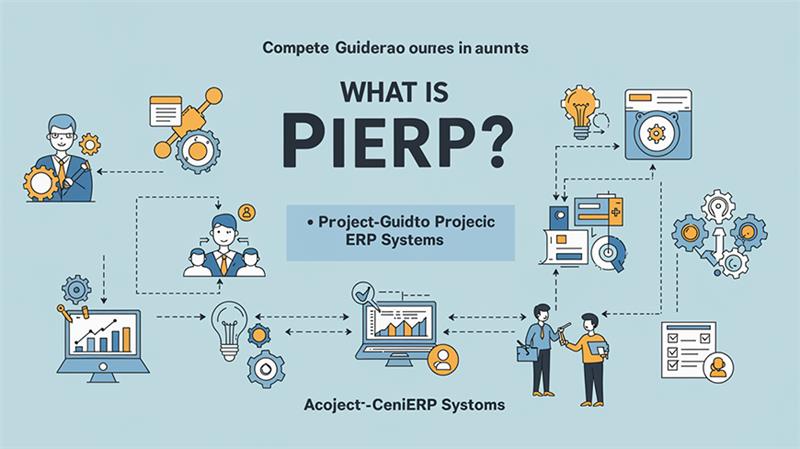
PiERP is a powerful Project-Centric ERP system designed to help organizations streamline project planning, execution, monitoring, and financial management within a unified platform. Unlike traditional ERP solutions that focus mainly on departments such as finance, HR, or inventory, PiERP revolves around projects as the core business unit.
Businesses involved in construction, engineering, consulting, IT services, infrastructure, and manufacturing can benefit greatly from this approach.
Learn more about the platform on the official PiERP website: https://pierp.software/
Understanding Project-Centric ERP
A Project-Centric ERP system is designed to manage businesses where projects drive revenue and operations. Instead of organizing processes around departments, it connects all operations directly to projects.
This means every activity—from procurement and resource allocation to financial tracking—is linked to specific projects.
With PiERP, businesses gain a single source of truth for project data, enabling better decision-making and improved operational efficiency.
Explore PiERP solutions here: https://pierp.software/solutions
Key Features of PiERP
1. Centralized Project Management
PiERP allows businesses to manage the entire project lifecycle—from planning and budgeting to execution and delivery.
Organizations can track project progress, deadlines, milestones, and resources in real time.
2. Resource Allocation and Workforce Management
Efficient resource planning is critical in project-based businesses. PiERP enables companies to assign the right personnel, materials, and equipment to projects while avoiding resource conflicts.
3. Financial and Budget Control
PiERP integrates financial management directly with project activities, helping businesses monitor project costs, budgets, and profitability.
With real-time financial insights, managers can prevent cost overruns and maintain financial discipline.
4. Procurement and Inventory Management
The system simplifies procurement processes by linking purchases directly to project requirements. This ensures better inventory tracking and timely material availability.
5. Collaboration and Workflow Automation
PiERP improves team collaboration by connecting different departments involved in project delivery. Automated workflows help reduce manual errors and improve operational efficiency.
Discover more about PiERP capabilities: https://pierp.software/features
Benefits of Using PiERP
1. Improved Project Visibility
Managers gain real-time insights into project performance, resource usage, and financial health.
2. Better Decision Making
Integrated dashboards and analytics help leadership make informed decisions based on accurate project data.
3. Increased Efficiency
Automated workflows and centralized systems reduce manual processes and improve productivity.
4. Cost Control and Profitability
Tracking project budgets and expenses helps organizations maintain profitability while minimizing financial risks.
5. Scalability
PiERP supports businesses as they grow, allowing them to manage multiple complex projects simultaneously.
Industries That Benefit from PiERP
Project-centric ERP systems like PiERP are ideal for industries where project execution is central to business operations.
These include:
- Construction and Infrastructure
- Engineering and EPC Companies
- IT and Software Development
- Professional Services
- Manufacturing with Project-Based Production
- Consulting and Contracting Businesses
Learn how PiERP supports different industries: https://pierp.software/industries
Why PiERP Is Different from Traditional ERP
Traditional ERP systems focus on departmental processes, while PiERP focuses on projects as the primary business driver.
This approach provides several advantages:
| Traditional ERP | PiERP |
|---|---|
| Department-focused | Project-focused |
| Limited project visibility | Complete project lifecycle tracking |
| Separate financial tracking | Integrated project finance |
| Complex integrations | Unified project platform |
Because of this structure, PiERP provides better alignment between project planning, execution, and financial performance.
The Future of Project Management with PiERP
As businesses become more project-driven, the demand for specialized ERP solutions will continue to grow.
PiERP empowers organizations to manage complex projects efficiently by combining project management, financial control, resource planning, and operational workflows into a single platform.
Companies adopting PiERP can improve project delivery timelines, optimize resource utilization, and maintain stronger financial control.
Explore the platform today: https://pierp.software/
Conclusion
PiERP represents the next evolution in ERP technology for project-based businesses. By placing projects at the center of enterprise operations, it provides organizations with the tools they need to manage complexity, improve collaboration, and achieve better project outcomes.
If your organization relies heavily on projects for growth and revenue, implementing a project-centric ERP system like PiERP can transform how you plan, execute, and deliver projects.
Learn more about PiERP and its capabilities: https://pierp.software/contact-us