
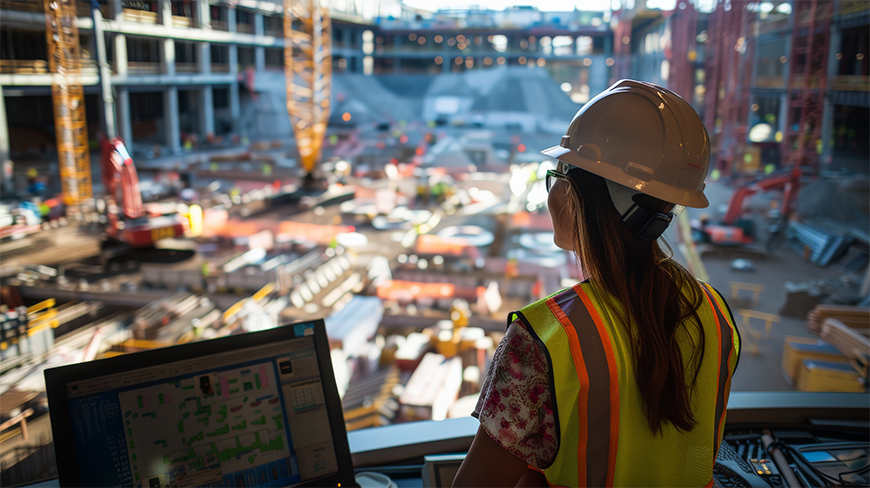
The construction industry is undergoing a fundamental shift — from traditional manual processes to data-driven, integrated digital ecosystems. This change isn’t just about digitizing paperwork or deploying new apps; it’s about reimagining construction workflows from the ground up, enabling every project — from planning to completion — to be smarter, faster, and more transparent.
In this transformation journey, solutions like PiERP’s construction ERP platform unify fragmented operations and bring real-time intelligence directly into decision-making.
Why Digital Transformation Matters in Construction
Construction projects are complex by nature, involving multiple stakeholders, evolving schedules, and diverse resource streams. Traditional silos — spreadsheets, disparate tools, siloed departments — make it difficult to:
- Track real-time progress
- Coordinate materials and teams
- Control costs and compliance
- Respond rapidly to changes on-site
Digital transformation replaces these legacy systems with connected platforms that integrate data, processes, and workflows seamlessly — improving visibility and accountability at every stage.
From Site Activities to System Intelligence
Here’s how digitization shifts construction operations from reactive to proactive:
1. Real-Time Site Monitoring & Reporting
On-site data — like progress updates, personnel logs, and material usage — can be captured digitally and fed into a unified system. With an ERP like PiERP’s construction module , this data becomes instantly actionable, powering dashboards and alerts for managers.
2. Integrated Project and Resource Management
ERP systems centralize planning and execution. Tasks such as procurement, labor allocation, scheduling, and budget tracking become fully visible within one platform, reducing delays and miscommunication.
Learn more about how PiERP helps in construction project control, material management, and daily site reporting on the ERP for Construction Industry.
3. Automated Compliance and Documentation
Modern construction must adhere to strict safety and regulatory standards. Digital systems can automate compliance reporting, version-controlled documentation, and audit trails — enabling teams to stay compliant without manual overhead.
4. Centralized Collaboration Across Teams
Instead of exchanging spreadsheets and emails, stakeholders use shared platforms with access permissions, collaborative workflows, and real-time communication. This dramatically reduces rework and misunderstandings.
Real Business Impact
Construction firms adopting digital systems enjoy benefits such as:
- Improved project delivery timelines
- Greater cost control and budget accuracy
- Enhanced quality and safety compliance
- Better resource utilization
- Data-driven decision making
Platforms like PiERP are accelerating this transformation by offering industry-tailored ERP features — from project setup and contractor work orders to costing, inventory, and reporting tools — all configurable for construction needs.
Mobility and On-Site Connectivity
A truly digital construction system extends beyond desktops. Mobile apps allow field teams to:
- Submit progress updates from site
- Access documents instantly
- Track materials and assets
- Receive alerts and approvals
This ensures that digital transformation doesn’t stop at the office — it flows directly to where work happens most.
Conclusion
Digital transformation in construction is no longer optional — it’s essential for companies that want competitive advantage in a rapidly evolving industry. By linking operational realities on the ground with high-level system intelligence, platforms like PiERP help businesses modernize workflows, improve coordination, and unlock new efficiencies.